
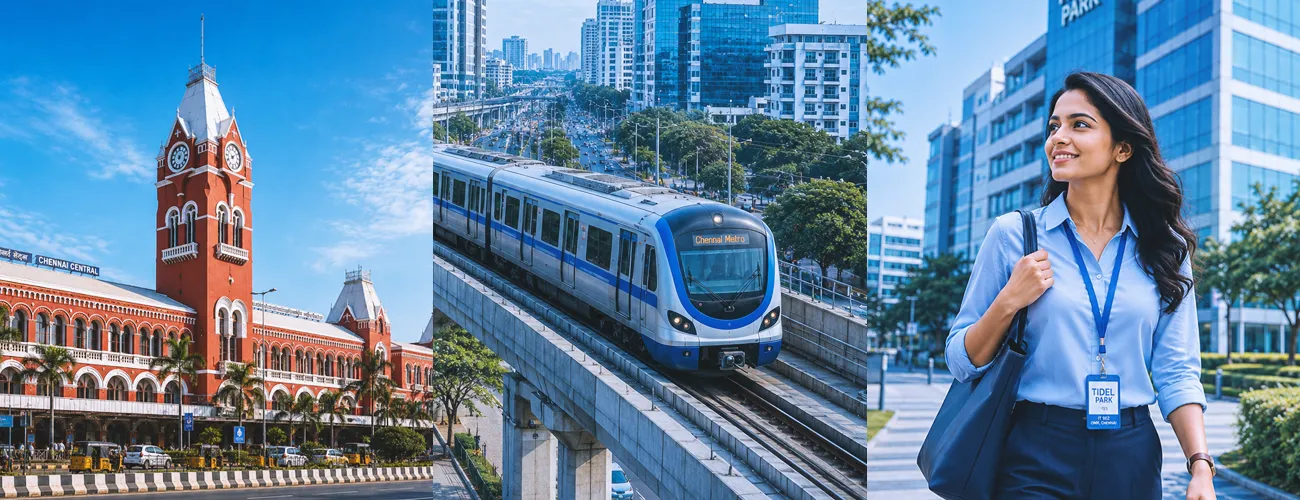
North Chennai's growing urban infrastructure needs have brought renewed attention to flood management, waste disposal and public spaces. On November 18, 2026, the Tamil Nadu Chief Minister inaugurated three Greater Chennai Corporation (GCC) projects worth approximately ₹97.33 crore. The initiatives focus on improving environmental resilience and civic services, particularly in underserved parts of North Chennai.
Why Were These Projects Introduced?
Rapid urbanisation has placed increasing pressure on Chennai's existing civic infrastructure. Silt accumulation in waterbodies, inadequate stormwater absorption and conventional waste transportation have contributed to recurring flooding, groundwater stress and poor sanitation.
The latest projects form part of a wider effort to address these challenges. The Kadapakkam Lake restoration comes under the Asian Development Bank (ADB)-assisted Kosasthalaiyar Basin program, while the sponge park and mechanised waste transfer station strengthen local flood management and solid waste handling.
Three Major Infrastructure Upgrades
The ₹97.33 crore package covers three completed projects, each addressing a different civic requirement:
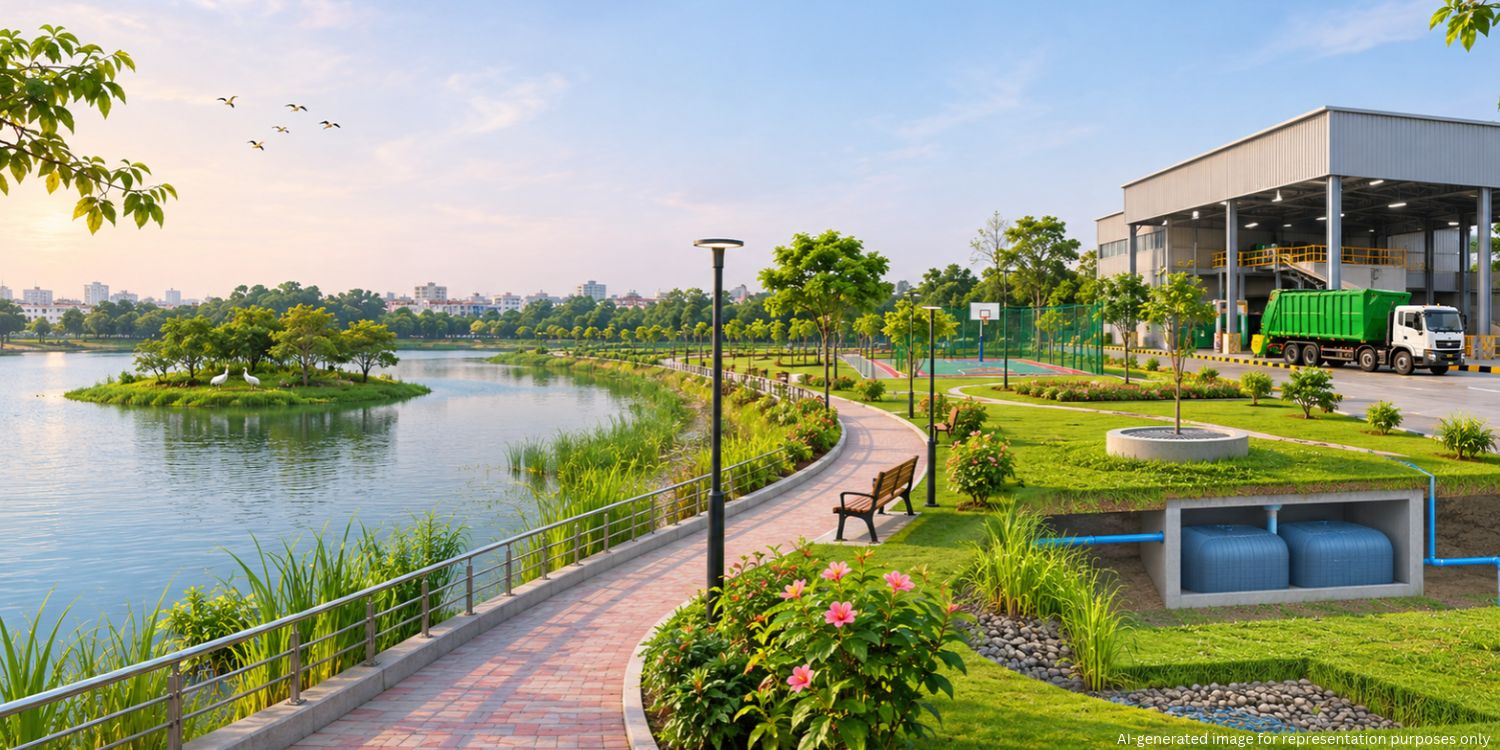
- Kadapakkam Lake Restoration, Manali: Developed at ₹58.3 crore across 55 hectares, the project increased the lake's storage capacity from 1.1 million to 1.9 million cubic metres. It also includes 3.45 km of strengthened bunds, a five-acre bird island and walking paths.
- Mathur MMDA Sponge Park: Spread across 12,065 sq. m. and developed at ₹4 crore, the facility features underground detention tanks and rainwater-harvesting tunnels. It also provides walking tracks and sports facilities.
- Thattankulam Waste Transfer Station, Pulianthope: Built at ₹35 crore, this mechanised facility handles municipal waste from 30 wards across Zones 5 and 6. It can process 140 tonnes per hour and accommodate up to 840 tonnes daily, using enclosed 15-tonne waste capsules to improve transportation efficiency.
What Challenges Do These Upgrades Address?
The projects respond to three major difficulties affecting North and Central Chennai.
- Flooding and waterlogging: Reduced lake storage and limited rainwater absorption increase the risk of flooding during heavy rainfall, affecting households and businesses in Manali and surrounding areas.
- Waste disposal and sanitation: Conventional garbage transportation can result in exposed waste, road litter and unpleasant odours. These conditions particularly affect residents of Pulianthope, Choolai and neighbouring wards.
- Groundwater stress and limited public spaces: High concrete density and inadequate green spaces affect local water recharge and recreational opportunities, particularly for communities in North Chennai.
Who Will Benefit from the Infrastructure Improvements?
The upgrades are expected to benefit residents, sanitation workers, commuters and local businesses through improvements in everyday civic services.
Manali residents and nearby communities stand to benefit from increased water storage and improved stormwater management. Families, senior citizens and young people will also have access to landscaped public spaces, walking paths, bird-watching areas and sports facilities.
Meanwhile, the mechanised transfer station will improve working conditions for sanitation personnel by reducing direct waste handling. Its enclosed transportation system is also expected to reduce garbage-related road spillage and unnecessary vehicle trips, benefiting commuters and residents across the covered wards.
Other Civic Developments Announced
Alongside the three GCC projects, the Chief Minister inaugurated a 1 million litre per day water reclamation plant in Kotturpuram. Developed by Metrowater using ₹4 crore in CSR funding, the facility will supply reclaimed water for maintaining nearby parks and roadside greenery.
A 5.3 km green corridor connecting Kathipara in Guindy to Chennai International Airport also received its foundation stone. Additionally, GCC received Union Ministry of Housing and Urban Affairs recognition for improvements to pedestrian infrastructure along Khader Nawaz Khan Road in Teynampet.
What Lies Ahead for Chennai?
These infrastructure investments bring together waterbody restoration, scientific waste management and improved public spaces. With the three GCC projects inaugurated and operational as of November 2026, their continued effectiveness will depend on sustained maintenance and efficient civic management.